A slipped tile after a storm may be a straightforward repair. A recurring leak, widespread deterioration or a roof reaching the end of its serviceable life calls for a different conversation. Roof repair versus replacement is not simply a question of choosing the lower initial price. It is about identifying the real condition of the roof, protecting the structure beneath it and avoiding repeated disruption to your home.
For homeowners, landlords and property managers across Coventry, Warwickshire and the West Midlands, the right decision starts with a proper site assessment. The visible fault matters, but so do the roof covering, underlay, battens, flashings, drainage and any signs of moisture within the loft space.
When Roof Repair Is the Sensible Choice
A targeted repair is often the most practical option when the roof is otherwise in sound condition. If damage is localised and the surrounding materials remain secure, a repair can restore weather protection without the cost and upheaval of replacing the whole roof.
Common examples include a small number of broken or missing tiles, a cracked ridge tile, worn lead flashing around a chimney, loose verge mortar, damaged guttering or a leak caused by a failed section of felt. Wind damage can also affect one area of a roof while leaving the main covering in good order.
The key is whether the fault has a clear, contained cause. Replacing a few tiles is sensible when matching tiles are available, the battens beneath are dry and firm, and there is no wider pattern of movement or water ingress. Repairing flashing can be effective where the roof slopes and chimney junction are otherwise sound.
A good repair should address the source of the problem rather than cover the symptom. Applying sealant around a persistent leak, for example, may provide a short-term improvement but will not resolve damaged felt, deteriorated leadwork or rotten timber below.
Signs That Replacement May Offer Better Value
A new roof is a larger investment, but it can be the more cost-effective route when repairs are becoming frequent or the roof has deteriorated across several areas. Paying for separate call-outs every year can quickly outweigh the value of planned replacement work.
Replacement is more likely to be appropriate where there is widespread tile or slate damage, ageing underlay, decayed battens, persistent damp in the loft, sagging roof lines or repeated leaks in different places. Roof coverings do not always fail evenly. What looks like a few missing tiles may reveal brittle materials, inadequate fixings or moisture damage once a closer inspection is carried out.
Pay attention to what is happening inside the property as well. Water marks on ceilings, peeling paint near external walls, mould growth in the loft and damp insulation all suggest that water may have been entering for longer than expected. These issues need prompt investigation, particularly where electrical wiring, plasterboard or structural timbers could be affected.
A replacement can also make sense when substantial work is already planned. If you are converting a loft, adding an extension or carrying out a full renovation, it is often more efficient to renew a roof that is near the end of its life while access, scaffolding and trades are already coordinated.
The Age of the Roof Is Only One Factor
There is no fixed age at which every roof must be replaced. Slate roofs can last for many decades when properly maintained, while concrete tiles, clay tiles, flat roof coverings and associated components all have different expected lifespans. Workmanship, exposure to weather, ventilation and previous repairs can make a significant difference.
An older roof that has been well maintained may need only careful repairs. A newer roof installed with poor detailing may require more extensive work sooner. Condition is more useful than age alone.
Roof Repair Versus Replacement: Comparing the Real Costs
The initial cost of a repair is usually lower, but it should be weighed against its likely lifespan and the chance of further work being needed. A clear quotation should set out the identified defect, the proposed materials, access requirements and what the repair is expected to achieve.
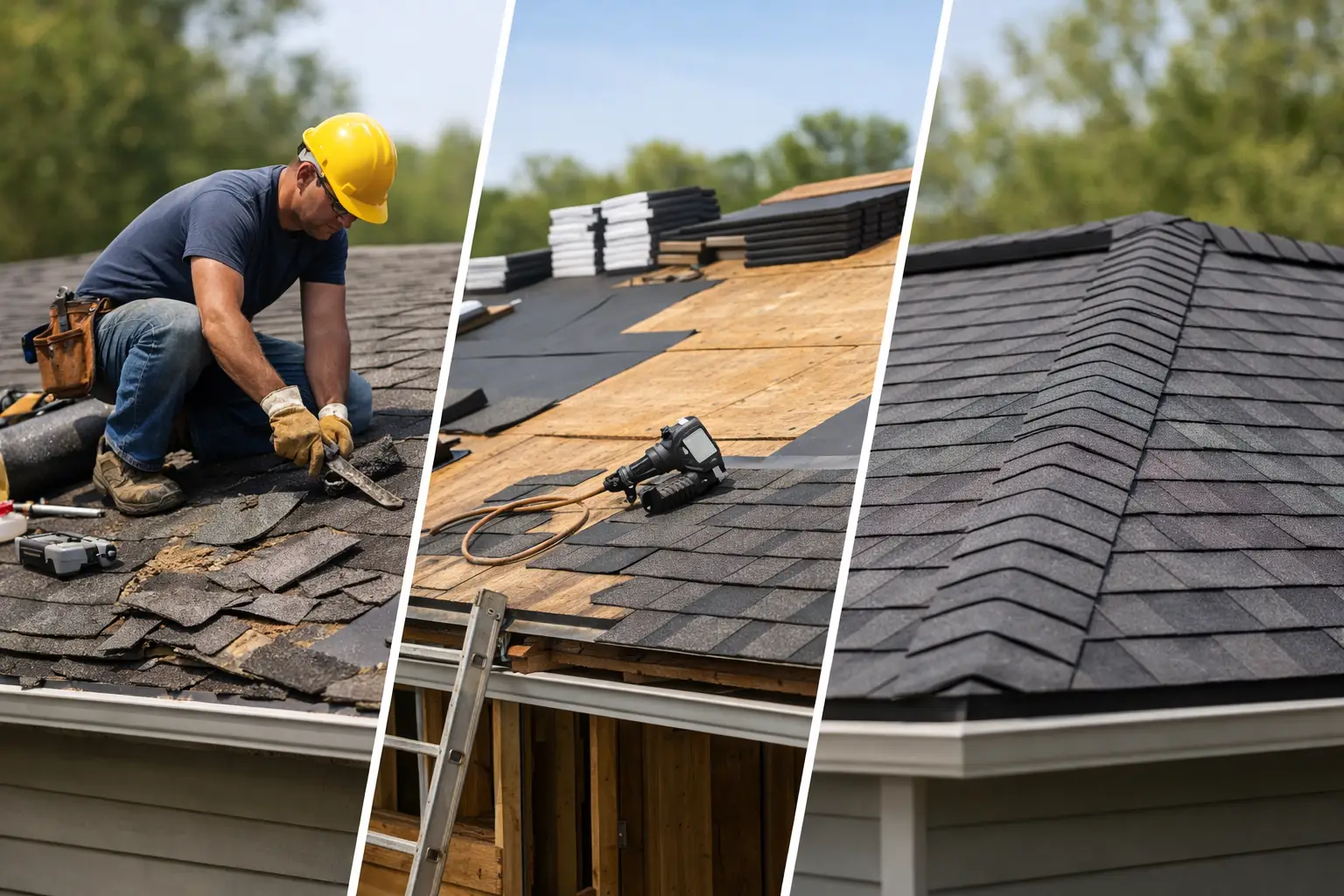
With a full replacement, the scope is broader. It may include stripping the existing covering, inspecting and replacing defective battens or timbers, installing new breathable membrane, renewing flashings and fitting the selected tiles, slates or flat roof system. Scaffolding, waste removal, guttering and insulation improvements may also form part of the work.
That wider scope brings a higher upfront figure, but it also gives the roof a renewed weatherproofing system rather than isolated fixes. It can reduce maintenance demands, improve the appearance of the property and provide confidence when planning other improvements.
The practical comparison comes down to four questions:
- Is the damage confined to one identifiable area?
- Are the roof structure and surrounding materials still sound?
- Has the same issue returned after previous repairs?
- Will planned building work make replacement more efficient now?
If the answer points towards a contained problem on a sound roof, repair is usually the right route. If faults are widespread, recurring or affecting the roof structure, replacement deserves serious consideration.
What a Proper Roof Assessment Should Cover
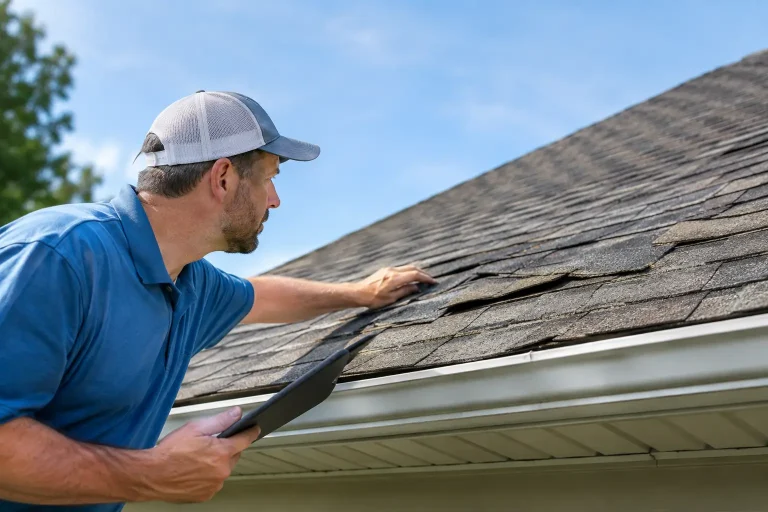
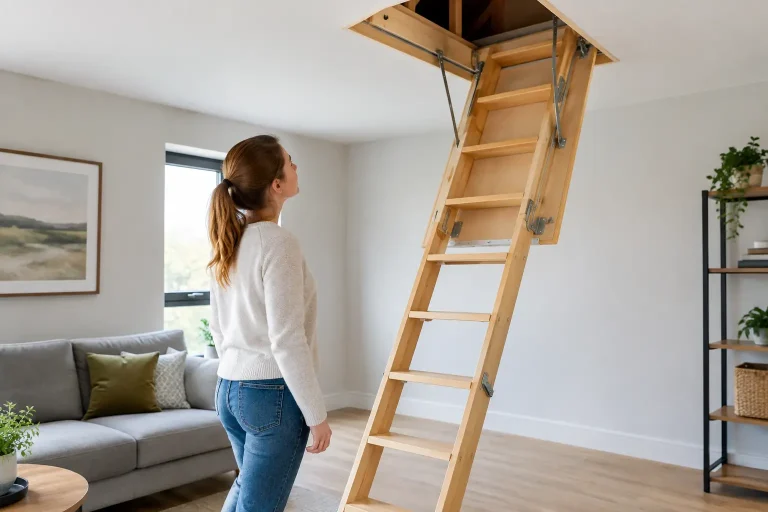
A roof cannot be assessed reliably from ground level alone. A site visit allows the contractor to inspect roof slopes, ridge and verge details, chimney flashings, valleys, gutters and visible signs of movement. Inside the loft, the assessment should consider the condition of timbers, membrane, insulation and any evidence of water entry.
Access may reveal problems that were not visible from below, such as cracked tiles beneath moss, loose fixings, poorly completed earlier repairs or deteriorated mortar. This does not mean every inspection leads to replacement. It means the recommendation can be based on the whole roof rather than a guess.
For a landlord, this approach helps protect the property and reduce the risk of emergency repairs during a tenancy. For a homeowner, it provides a defined scope before committing to work. If a repair is suitable, you should understand exactly which area is being repaired and why. If replacement is advised, the quotation should explain what has failed and what work is included.
Avoid Delaying a Known Roof Problem
Small roof defects rarely improve with time. Water can travel along felt, battens and timbers before becoming visible on a ceiling, so the internal stain may be some distance from the point where rain is entering. Delaying action can turn a modest tile or flashing repair into damaged insulation, timber treatment, plastering and redecorating work.
There is a balance to strike. A roof does not need replacing simply because it looks weathered, and rushed decisions after bad weather can lead to unnecessary expense. However, repeated leaks or visible deterioration should not be treated as routine maintenance without a closer inspection.
Temporary protection may be needed after storm damage, particularly where rain is entering the property. The permanent solution should then be planned around the roof’s actual condition, suitable materials and safe access.
Choosing the Right Scope of Work
The best outcome is not always the smallest repair or the largest project. It is the scope that gives your property reliable protection and a sensible return on the money spent. That requires clear communication before work begins, realistic timescales and one accountable team coordinating access, roofing work and any related internal repairs.
IR Building & Construction provides site-based assessments and clear quotations for roofing and property improvement work across Coventry and the surrounding area. Whether the solution is a targeted repair or a planned replacement, the work should be explained in plain terms and delivered to a defined scope.
If you have noticed a leak, loose tiles or changes in the shape of your roof, arrange an assessment before the next period of heavy weather. A timely inspection gives you the information to make a controlled decision, rather than dealing with an avoidable emergency.