A small water mark on an upstairs ceiling can be the first visible sign of a much larger roofing issue. The question of when should roofs be replaced is rarely answered by age alone. The condition of the tiles, the roof structure, previous repairs and the way water is entering the property all matter. Acting at the right time can prevent damage to insulation, ceilings, electrics and timbers below.
For homeowners across Coventry, Warwickshire and the West Midlands, the sensible approach is to assess the roof as a whole rather than waiting for a serious leak. Some faults need a targeted repair. Others show that repeated patching is no longer good value and a planned replacement will provide better long-term protection.
When should roofs be replaced rather than repaired?
A roof replacement becomes the stronger option when defects are widespread, recurring or linked to the structure beneath the covering. Replacing one or two slipped tiles, renewing a small section of flashing or clearing a localised blockage is normally repair work. It is proportionate, provided the rest of the roof remains sound.
The decision changes when repairs are becoming frequent or when the same problem returns after each period of heavy rain or wind. A roof may look acceptable from ground level while its underlay has deteriorated, battens are weakened or water is tracking beneath the tiles. In these circumstances, fixing the visible symptom alone can leave the real issue unresolved.
Age gives useful context, but it is not a fixed deadline. A well-installed tiled roof can last for decades, while a poorly detailed roof may fail much earlier. Weather exposure also varies. Properties on open sites, homes with large roof valleys and roofs shaded by mature trees may need closer attention than more sheltered properties.
Signs that a roof may be nearing replacement
A professional site assessment is the best way to establish the condition of a roof, but several warning signs are worth taking seriously. One isolated issue does not automatically mean a new roof is needed. A combination of problems usually points to a larger decision.
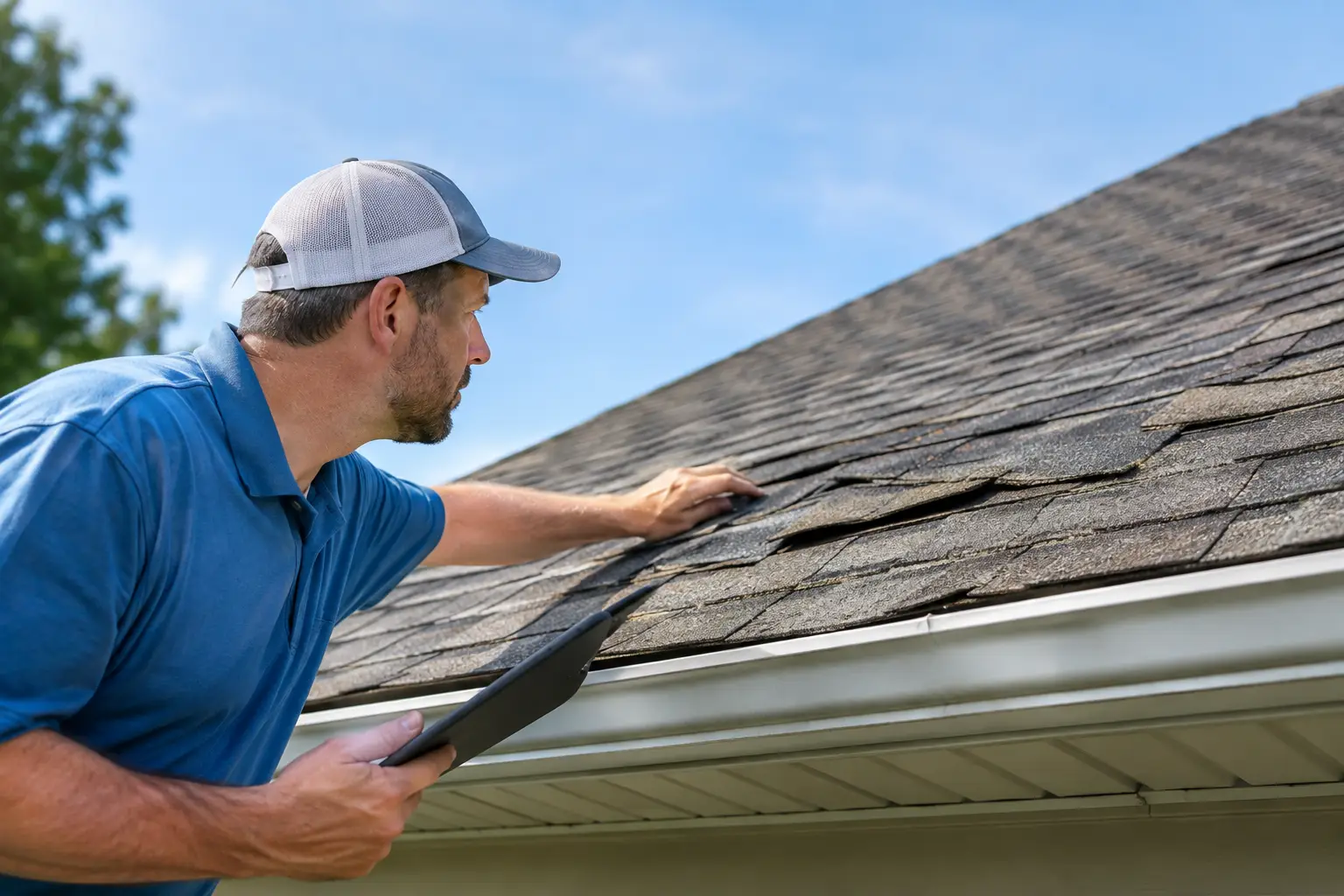
- Missing, cracked or slipping tiles across several areas. A few damaged tiles can be replaced. Widespread movement may indicate ageing fixings, failing battens or a roof covering that has reached the end of its useful life.
- Repeated leaks or damp patches. If water appears in different parts of the loft or ceiling after rain, the fault may not be confined to one tile. Water can travel along felt, timbers and insulation before becoming visible indoors.
- Sagging roof lines. A dip along the ridge, a bowed slope or visibly uneven areas should be investigated promptly. This can indicate issues with rafters, purlins, battens or long-term moisture damage.
- Deteriorated underlay or roof felt. Brittle, torn or sagging material visible from the loft reduces the roof’s second line of defence. It may allow wind-driven rain and dust into the roof space even where tiles are still in place.
- Failing flashing, valleys or leadwork. These details manage water at junctions around chimneys, roof windows and changes in roof direction. Local renewal may be possible, but widespread deterioration alongside old tiles can make replacement more practical.
- Daylight, draughts or water staining in the loft. Daylight around the roof covering, persistent draughts and stained timbers are clear reasons to arrange an inspection. They can also contribute to heat loss and damp conditions.
Moss growth alone is not proof that a roof needs replacing. It is common on older roofs, especially on shaded elevations. However, heavy moss can hold moisture, obstruct gutters and conceal cracked tiles, so it should be considered alongside the roof’s wider condition.
The hidden damage a leaking roof can cause
The cost of a roof is not limited to the external covering. Once water enters regularly, it can affect insulation, plasterboard, decoration, timber and electrical fittings. Damp insulation performs poorly, while prolonged moisture can create conditions for timber decay and mould growth.
This is why delaying a known leak is often false economy. A controlled roofing project planned in dry conditions is generally easier to manage than an emergency response after water has damaged a bedroom ceiling or newly renovated loft space. For landlords, prompt action also helps protect the condition and lettability of the property.
A full replacement can also be an opportunity to improve the roof’s performance. Depending on the property and the work being carried out, this may include renewing underlay and battens, improving ventilation, upgrading insulation where appropriate, and replacing worn gutters, fascias or soffits. The right scope should be based on what the roof needs, not on adding work that does not provide a clear benefit.
Repair, partial replacement or a complete new roof?
There is no single answer because roofs do not wear evenly. A partial replacement can make sense where one elevation is significantly more exposed to prevailing weather, or where a previous extension has a separate roof area in poor condition. It can also be appropriate after local storm damage where the remaining covering is relatively recent and sound.
A complete replacement is often more cost-effective where the tiles are nearing the end of their life across the roof, the underlay and battens need renewal, or there are multiple vulnerable details. It also gives a clearer opportunity to inspect the underlying structure properly and create a consistent finish.
The trade-off is initial cost and disruption. Replacing a roof requires scaffolding, material deliveries and a carefully managed working area. However, a planned programme allows the work to be sequenced safely, with weather protection considered throughout and a clear scope agreed before work begins. Repeated small repairs may feel less disruptive at first, but can cost more over time if access and labour are needed again and again.
What happens during a roof assessment?
A useful assessment starts with more than a glance from the pavement. The roof covering, ridge and hip tiles, valleys, flashings, chimney details, gutters and roofline should be reviewed, along with the loft space where access is safe. Internally, signs of water ingress, ventilation problems and timber condition can help explain what is happening above.
The aim is to identify the cause, extent and urgency of the work. For example, a ceiling stain may be caused by a cracked tile, failed chimney flashing, blocked valley or condensation in the loft. Each needs a different solution, so assumptions can lead to unnecessary work or an ineffective repair.
A clear quotation should separate essential roofing work from sensible optional improvements. It should explain the proposed materials, areas being renewed, any structural findings, waste removal, access requirements and likely programme. This gives homeowners a basis for comparing the scope of work, rather than comparing figures that may cover very different levels of protection.
Plan replacement before an emergency develops
The best time to replace an ageing roof is usually before it has caused internal damage. If your roof is showing repeated faults, visible deterioration or signs of water in the loft, arrange an assessment while there is time to consider the options properly. Avoid relying on a temporary repair as a permanent answer unless the wider roof has been checked.
IR Building & Construction can assess roofing concerns as part of a managed, clearly scoped project, whether the work is a focused repair, partial renewal or full replacement. A site visit helps establish what the roof needs and gives you a practical route forward, with one accountable team coordinating the work.
A roof should give your home quiet, dependable protection through every season. Checking it before the next leak becomes a larger problem keeps the decision in your hands.