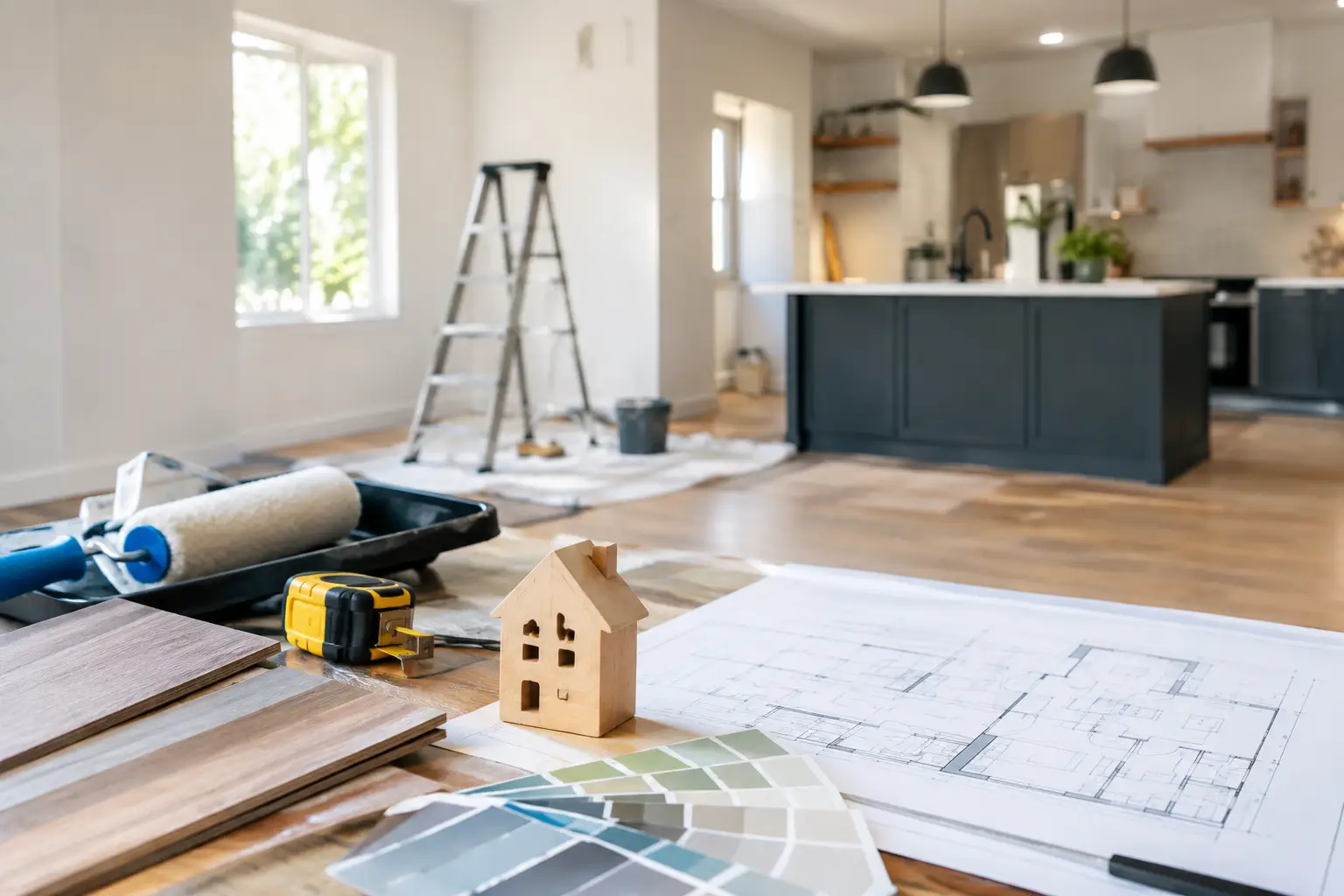
A vacant rental property is the point at which small defects become impossible to ignore. Worn flooring, tired kitchens, unreliable heating and poor bathroom ventilation can all affect tenant interest, rent potential and future maintenance costs. The best renovation upgrades landlords choose are not always the most decorative. They are the improvements that make a property safer, easier to let, cheaper to maintain and more comfortable to live in.
For landlords in Coventry, Warwickshire and the wider West Midlands, the right priorities depend on the age, condition and target market of the property. A family house, city-centre flat and student let will not all need the same level of finish. The common requirement is a clear scope of work, sensible sequencing and one accountable team coordinating the trades.
Start with the condition of the property
Before selecting finishes or planning a new kitchen, assess the parts of the building that could cause disruption later. A newly decorated room will not stay looking new if there is a roof leak, damp issue, failed sealant, ageing plumbing or inadequate extraction.
A site-based assessment should establish what needs repair, what needs replacement and what can be retained. This is also the time to check the condition of electrics, heating, windows, external drainage and any signs of movement or water ingress. Addressing these issues first protects the budget for the visible improvements tenants will notice.
It helps to separate work into two categories: essential repairs that preserve the building, and upgrades that improve lettability. Both matter, but combining them in one planned refurbishment usually avoids repeated disruption and duplicated labour.
Best renovation upgrades landlords should consider
Install a practical, durable kitchen
The kitchen has a major influence on how a rental property feels at a viewing. It does not need to be expensive or fitted with high-end appliances, but it should look clean, work properly and offer enough usable storage and worktop space.
Choose hard-wearing cabinet fronts, quality hinges, simple handles and a worktop that can cope with daily use. Neutral colours tend to work well because they appeal to a wider pool of tenants and make replacement parts easier to source. If the layout is awkward, a modest reconfiguration can create significantly better circulation, especially in smaller homes and flats.
Pay attention to the less visible details. Adequate sockets, good task lighting, secure splashbacks, reliable appliance connections and accessible stopcocks all make the kitchen more functional. Where a kitchen is being fully replaced, coordinating electrical, plumbing, plastering, flooring and fitting work under one programme keeps the room out of action for less time.
Refresh the bathroom and improve ventilation
A clean, well-finished bathroom reassures prospective tenants that the property is cared for. Replace cracked sanitaryware, damaged seals, loose tiles and outdated fittings that are likely to fail. A straightforward suite with a good shower, practical storage and easy-clean surfaces is often a better rental choice than a more elaborate design.
Ventilation deserves equal attention. Persistent condensation and mould complaints are frequently linked to inadequate extraction, particularly in bathrooms without opening windows. A correctly specified extractor fan, appropriate ducting and a tidy installation can protect finishes and improve day-to-day comfort.
Use materials chosen for regular cleaning and moisture resistance. Full-height tiling is not essential in every bathroom, but waterproof wall finishes in splash zones, secure flooring and properly sealed edges will reduce future repairs. If plumbing is ageing or poorly arranged, dealing with it during the refurbishment is usually more cost-effective than opening up a finished bathroom later.
Choose flooring and finishes that stand up to tenancy turnover
Rental properties need finishes that can handle furniture movement, cleaning, pets where permitted and the natural wear of everyday living. Flooring is one of the most practical upgrades because tired carpets and damaged laminate can quickly make an otherwise sound property look neglected.
The right choice depends on the room and intended tenant. Quality vinyl or luxury vinyl tile can be a sensible option for kitchens, hallways and living areas, while durable carpet may still suit bedrooms. Avoid selecting a finish purely because it is cheap at the outset. A product that needs replacing after every tenancy is rarely good value.
Keep wall colours light and neutral, but use washable paint in high-traffic areas. Repair cracked plaster properly rather than covering it with a fresh coat. Straight lines, tidy joinery and consistent finishes give a property a more considered appearance without adding unnecessary cost.
Improve heating, insulation and energy efficiency
Reliable warmth is not an optional extra for tenants, and it is a significant part of protecting a property’s long-term condition. A boiler that frequently fails, poorly performing radiators and draughty rooms lead to call-outs, complaints and avoidable void periods.
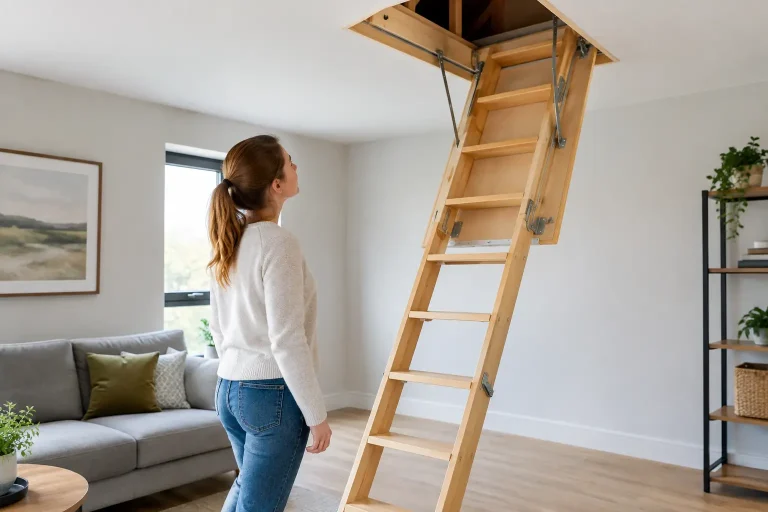
The most suitable work will depend on the building. It may involve updating heating controls, balancing the system, replacing inefficient radiators, improving loft insulation or addressing draughts around doors and windows. Ventilation must be considered alongside insulation so that improved airtightness does not create condensation problems.
Energy performance requirements can affect a landlord’s ability to let a property, and standards can change. Check the current rules before committing to a programme of works, particularly for older homes with lower EPC ratings. A planned approach can improve comfort and efficiency without spending money on measures that do not suit the construction of the property.
Add storage and make better use of space
Storage is often overlooked, yet it can make a modest property feel more practical. Built-in cupboards, understairs storage, utility space and well-planned bedroom wardrobes are useful where the layout allows. These additions can be especially valuable in family homes and smaller rental properties where tenants have limited room for everyday belongings.
If a full renovation is planned, consider whether moving a doorway, opening up a poorly used area or creating a small utility zone would improve how the home functions. Structural changes need proper assessment and should never be treated as cosmetic work. However, thoughtful alterations can make an older property more competitive without the cost of a major extension.
Protect the property before improving its appearance
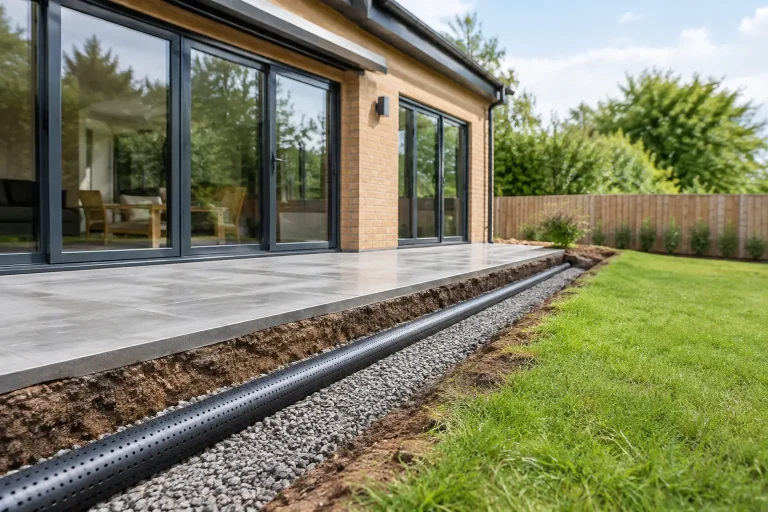
Some of the highest-value landlord upgrades are rarely the ones tenants photograph at a viewing. Roof repairs, replacement gutters, repaired brickwork, improved drainage and remedial work around windows protect the building from water damage. Left unresolved, these issues can damage ceilings, electrics, insulation and internal finishes.
Electrical and plumbing upgrades are equally important. A property should have safe, reliable systems that can be inspected, maintained and repaired without unnecessary disruption. If a renovation exposes old wiring, leaking pipework or poor previous alterations, it is sensible to resolve them while walls and floors are already open.
This does not mean every property needs a complete strip-out. The scope should follow the evidence found during inspection. Targeted repairs may be enough in one house, while another may justify a full refurbishment between tenancies. The key is making informed decisions before decorative work begins.
Plan the work around void periods and future maintenance
A refurbishment programme should reduce future inconvenience, not simply make the property look better on handover day. Plan larger works between tenancies where possible, allowing time for surveys, ordering materials, drying times, inspections and final cleaning. Rushing a project to meet an unrealistic letting date can lead to unfinished details and costly return visits.
It is also worth standardising key materials across a portfolio where practical. Using similar flooring, paint colours, taps, door furniture and light fittings can simplify repairs and replacements later. Standardisation should not create a bland result, but it does make maintenance more predictable.
Keep a clear record of the work completed, including products installed, locations of isolation valves and any guarantees or certificates received. This makes future maintenance easier for both the landlord and the contractors carrying out later work.
Avoid upgrades that do not suit the rental market
Over-specifying is a common mistake. Premium designer fittings, delicate surfaces and highly personalised colour schemes may not deliver a meaningful return in a standard rental property. The goal is not to create a show home at any cost. It is to provide a clean, dependable home that matches local tenant expectations and supports the rent level being sought.
Equally, cutting costs in the wrong places can create a false economy. Cheap flooring, poorly fitted kitchens and inadequate bathroom extraction are likely to need attention sooner. Spend where durability, compliance, building protection and tenant comfort are affected. Keep decorative choices straightforward and easy to maintain.
Deliver the refurbishment through one coordinated plan
Renovations become difficult when each trade is arranged separately and no one is responsible for the overall sequence. A coordinated team can assess the property, define the scope, schedule the work in the right order and keep the landlord informed as decisions arise.
For landlords who do not have time to manage builders, electricians, plumbers, roofers and decorators individually, this approach provides clearer responsibility from first visit through to handover. IR Building & Construction delivers managed renovation work across Coventry and the surrounding area, helping landlords turn a list of defects and improvements into a controlled, practical programme.
The best result is a property that lets with confidence and remains easier to look after once the tenants have moved in. Start with the building’s condition, invest in durable everyday spaces and plan the work properly. That is how a renovation continues to add value long after the first viewing.