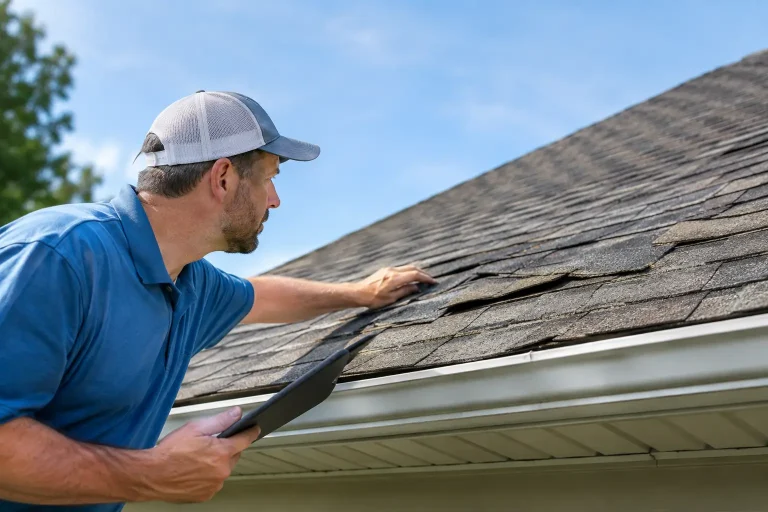

A slipped tile after high winds can look like a small problem from the ground. Left untreated, it can allow water into the roof space, damage insulation and timbers, and create a far more disruptive repair later. Choosing Coventry roofers is therefore about more than finding someone available quickly. It is about getting a clear diagnosis, a defined scope of work and one accountable team to put the roof right.
For homeowners, landlords and property professionals, roof work should feel controlled from the first visit. Whether the issue is a localised leak, worn leadwork, damaged flashing or a roof that has reached the end of its serviceable life, the right approach starts with an inspection rather than a guess.
What Coventry Roofers Should Assess First
A roof leak does not always appear directly beneath the fault. Water can travel along felt, battens or timbers before showing on a ceiling, which is why a stain indoors is only one part of the picture. A proper site assessment considers the roof covering, ridge and verge details, valleys, flashing around chimneys and roof windows, guttering, drainage and the condition of visible roofline components.
The roof structure also matters. Sagging lines, movement in the roof, persistently damp timbers or poor ventilation may point to work beyond replacing a few tiles. Equally, not every ageing roof needs full replacement. A well-built roof with a limited failure around a valley or chimney can often be repaired effectively, provided the surrounding materials remain sound.
Access should be considered at the same stage. Scaffolding, safe access arrangements, neighbouring boundaries and protection for driveways or planting all affect the practical plan and cost. These are not minor details. They help ensure the work is completed safely, without rushed decisions once the job is under way.
Repair or Replacement: Making the Right Call
The most suitable solution depends on the roof’s age, condition and the extent of the issue. A focused repair is usually sensible where damage is isolated and compatible replacement materials are available. This might include renewing broken or missing tiles, repairing lead flashing, replacing a damaged section of membrane, securing ridge tiles or resolving a guttering issue that is forcing water back towards the property.
Replacement becomes a stronger option when defects are widespread or when repeated repairs are beginning to add up. Signs can include large areas of failing tiles or slates, brittle underlay, recurring leaks in different locations, deteriorated mortar, widespread water ingress or a roof covering nearing the end of its expected lifespan. If a loft conversion, extension or major renovation is planned, it can also be more efficient to address the roof as part of the wider programme.
Cost should be viewed in context. A low-cost repair can be good value when it resolves a contained problem. It is less good value if the materials around it are failing and further call-outs are likely within months. A clear survey and quotation should explain the reasoning, so you can compare the immediate spend with the likely maintenance needs ahead.
The Value of a Detailed Scope
Roofing quotations should be specific enough to show what is included and what is not. Vague descriptions such as “roof repair” leave too much open to interpretation. A useful scope identifies the affected area, the proposed materials, access requirements, preparation work, waste removal and how surrounding finishes will be protected.
For replacement work, it should also make clear whether old coverings are being removed, what will happen if damaged battens or decking are found, how insulation and ventilation will be handled where relevant, and which roof details are included. Chimney flashing, valleys, gutters, fascias, soffits and roof windows are often connected to the same problem but may require separate allowance.
No contractor can see every concealed issue before materials are lifted. The important point is how this possibility is managed. Ask how unforeseen defects will be photographed, explained and priced before additional work proceeds. That approach keeps decisions visible and prevents avoidable surprises.
How a Managed Roofing Project Should Run
Good roofing work combines practical skill with organised delivery. Before work starts, there should be agreement on the scope, programme, access and communication arrangements. If scaffolding is needed, it should be planned around the property and any shared access. If the roof is exposed during the project, the team should have a sensible weather plan and temporary protection available.
During the work, regular communication matters, particularly if conditions on site change. Homeowners should know who to contact, when key stages are expected to happen and whether there is anything they need to arrange, such as clearing a driveway or keeping pets away from working areas.
A tidy site is also part of professional delivery. Roofing creates debris, dust and packaging, especially during a strip-and-replace project. Materials should be handled carefully, waste removed responsibly and the area checked at handover. A final walk-through gives you the opportunity to understand what has been completed and raise any questions while the work is fresh.
Choosing a Roofer for Your Property
Price matters, but it should not be the only comparison. A quote that appears lower may exclude access, waste, finishing details or necessary repairs found once the roof is opened. Comparing like for like is the best way to make a confident decision.
Look for a contractor that is prepared to inspect the property rather than quote solely from a photograph, explains the proposed work in plain language and sets out the process before asking you to commit. You should be able to understand the sequence of work, the materials proposed and who is responsible for coordinating the job.
This becomes especially valuable where roofing connects with other parts of the property. A roof replacement may sit alongside an extension, loft conversion, new roof windows, chimney alterations, electrical work or internal plastering after a leak. Managing these elements through separate trades can create delays and blurred responsibility. A coordinated building team can plan the roof alongside the structural and finishing work, with one point of accountability throughout.
IR Building & Construction provides that joined-up approach for property improvement projects across Coventry, Warwickshire and the wider West Midlands. The focus is on site-based assessment, clear quotations, organised trade coordination and a finished result that works with the rest of the home.
When Roof Repairs Cannot Wait
If water is actively entering the property, contain what you can safely from inside and move valuables away from the affected area. Do not climb onto a wet or storm-damaged roof. Loose tiles, unstable coverings and poor visibility make this hazardous even for experienced workers without proper access equipment.
Contact a roofing professional promptly and describe the issue clearly: when it started, where water is visible, whether it follows heavy rain or wind, and any recent changes to the property. Photographs from ground level can help, but safety comes first. Fast attention can reduce internal damage, although permanent repairs may need to wait for safe weather and appropriate access.
The best roof decisions are rarely the quickest or the cheapest-looking ones. They are the ones based on a proper inspection, a clear written scope and workmanship that protects the property for the years ahead.