A roof replacement is one of those jobs where the visible finish tells only part of the story. The roof replacement cost UK homeowners see advertised can be useful as a starting point, but a dependable price depends on the property, the roof structure, access and the work uncovered once the old covering is removed. A proper survey turns a broad estimate into a scope you can understand and plan around.
For homeowners across Coventry, Warwickshire and the West Midlands, the sensible aim is not simply to find the lowest figure. It is to establish what is included, what condition the roof is really in and who is responsible for coordinating the work from scaffolding through to the final tidy-up.
Roof replacement cost UK: typical price ranges
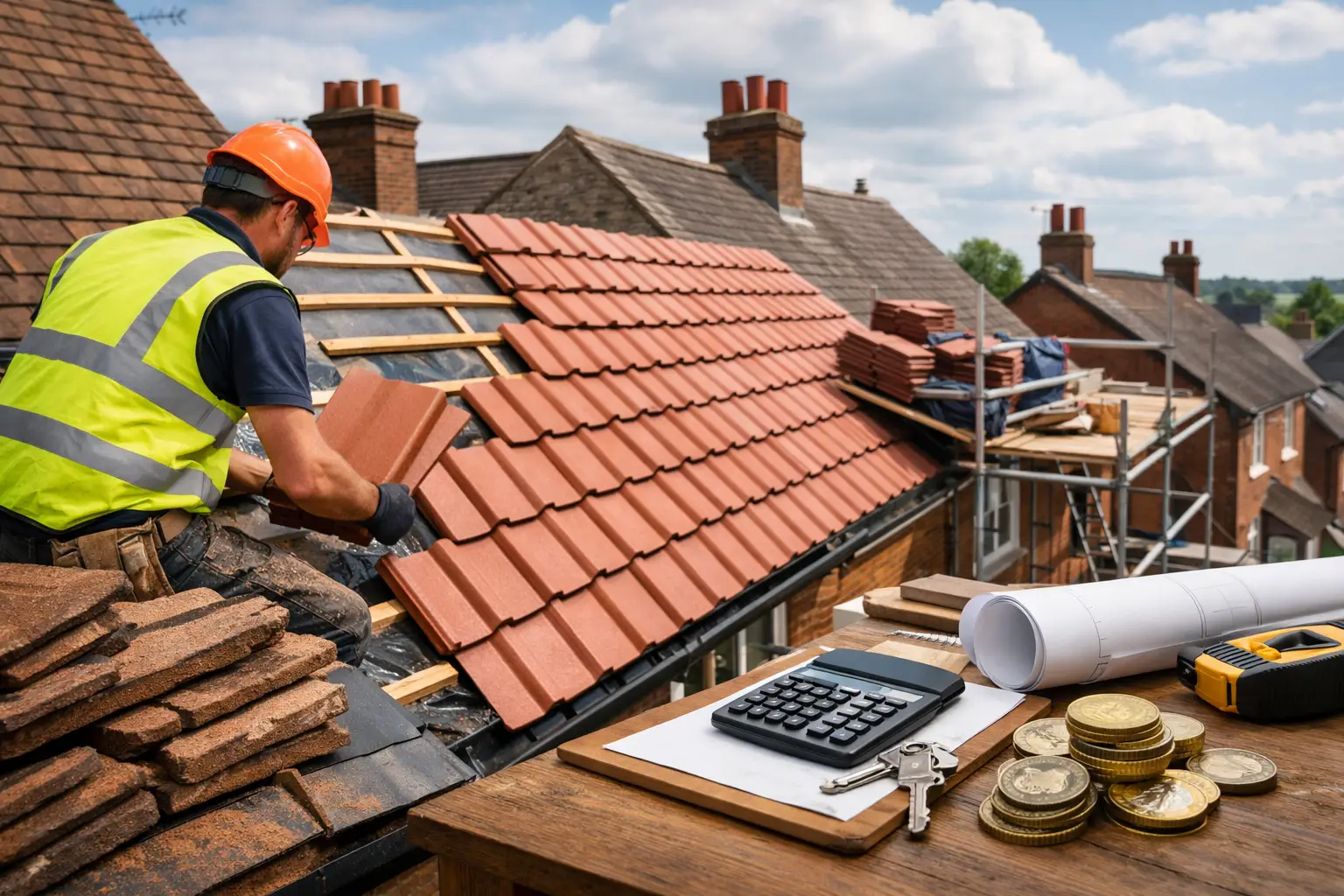
As a broad guide, replacing the covering on a straightforward two-storey terraced or semi-detached house may often fall between £5,000 and £12,000. A larger detached home, a complex roof shape, premium materials or extensive underlying repairs can take the project beyond £15,000 and sometimes substantially further.
These figures are indicative rather than a quotation. A small, simple pitched roof with good access is a very different job from a large Victorian property with valleys, chimney stacks, several dormers and aged roof timbers. The same is true where a roof sits above an occupied loft conversion or has solar panels, roof windows or difficult neighbouring access.
Flat roof replacement costs also vary considerably. A compact garage or porch roof may cost a few thousand pounds, while a larger flat roof over an extension can require a higher investment, particularly where insulation upgrades, drainage adjustments or new decking are needed.
The key point is that square metre rates rarely tell the whole story. Roofing is a system of coverings, membranes, battens, timber, ventilation, flashings, rainwater goods and safe access. A price that leaves out essential parts of that system is not necessarily a saving.
What makes up the price of a new roof?
A clear quotation should separate the major elements of the job so that you can see what you are paying for. Labour and materials form the largest part, but several practical costs affect the final figure.
Scaffolding is normally essential for safe access and can be a significant item, especially on taller properties, narrow streets or homes with conservatories and extensions that complicate access. The old roof covering must also be stripped, removed and disposed of responsibly. Allowance may be needed for protecting gardens, driveways and neighbouring areas while the work is underway.
The new roof itself usually includes tiles or slates, breathable membrane, battens, fixings, ridge and hip details, leadwork or alternative flashings, and replacement guttering where required. Some roofs will need new fascias, soffits or verge systems at the same time. These details matter because they control how water is directed away from the building.
If the roof is being fully renewed, insulation and ventilation should be considered early. Upgrading insulation can improve comfort and energy efficiency, but it needs to be designed around the roof build-up to avoid trapping moisture. The right approach depends on whether the loft is used for storage, remains a cold roof space, or forms part of a converted room.
The condition beneath the tiles can change the budget
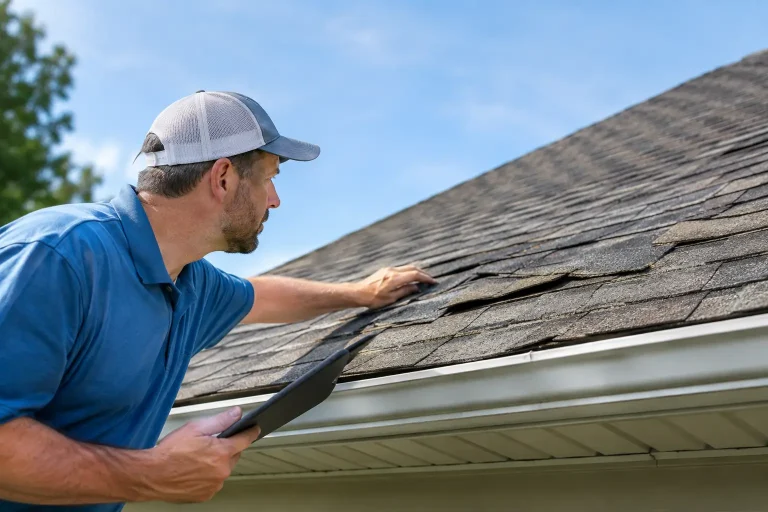
No contractor can see every hidden issue before work starts. A survey can identify likely concerns, but rotten battens, damaged felt, weakened rafters or deteriorated chimney details may only become fully visible once the old covering is lifted.
This does not mean the project should be left open-ended. It means the quotation should explain what has been allowed for, what is excluded and how any additional work will be handled. For example, a contractor may include replacement of all battens and membrane but list structural timber repairs as a provisional item, subject to inspection after strip-out.
This is an important distinction. It gives you a realistic base cost while avoiding a promise that cannot be supported by the visible condition of an ageing roof. Ask how variations will be priced, approved and recorded before the work proceeds. Clear communication at this stage protects both the homeowner and the contractor.
Material choices and their effect on cost
Concrete tiles are widely used and can provide a practical, durable finish at a manageable cost. Clay tiles often carry a higher material price but can suit period properties and particular architectural styles. Natural slate is valued for its appearance and lifespan, although it needs skilled installation and can increase the cost of labour as well as materials.
The best choice is not always the most expensive one. The roof structure may have been designed for a particular weight, planning considerations can apply in conservation areas, and matching neighbouring or existing materials may be important. A heavier replacement material may require structural assessment, while an unsuitable tile profile can affect weathering and visual finish.
For flat roofs, the material choice may include felt systems, EPDM rubber or fibreglass. Each has different installation requirements, detailing options and expected service life. The roof shape, drainage falls, foot traffic and connections to adjoining walls or rooflights should guide the decision rather than a headline material price alone.
When repair is the better option
A complete replacement is not always necessary. Localised slipped tiles, failed flashing, a small area of flat-roof damage or worn pointing around a chimney may be repairable if the wider roof remains sound. Targeted repairs can be the right answer where the roof is relatively young and the issue is clearly contained.
Replacement becomes more sensible when repairs are frequent, the covering is nearing the end of its life, widespread defects are present, or water ingress has begun to affect timbers, ceilings or insulation. Repeated patching can become more expensive and disruptive than a planned renewal, particularly if different areas fail over several winters.
A site assessment should give an honest view of both options. Homeowners should be wary of being pushed straight towards a full replacement without an explanation of the roof’s condition, but they should also recognise when piecemeal repairs are only delaying a larger problem.
How to compare roof replacement quotations
Comparing two totals without comparing the scope can lead to costly misunderstandings. A useful quotation will state the roof areas covered, proposed materials, access arrangements and disposal. It should also make clear whether gutters, flashings, chimney work, insulation, roof windows and internal making-good are included.
Before accepting a price, ask these practical questions:
- Is scaffolding, waste removal and site protection included?
- Are battens, membrane, flashings and ridge details being fully renewed?
- What allowance has been made for timber repairs or other concealed defects?
- Which tiles, slates or flat-roof system will be used, and what finish is proposed?
- Who will coordinate the roofing work, related building work and final handover?
Programme matters too. Weather can affect roofing schedules, and a good contractor will plan for safe temporary protection if conditions change. The team should explain when work will begin, how long it is likely to take and how the property will be kept secure during the process.
Planning a roof replacement with confidence
If you are budgeting for a new roof, begin with a site-based assessment rather than relying on online averages. Share any history of leaks, previous repairs, loft conversion plans or concerns about damp. Photographs can help at the enquiry stage, but an inspection is needed to assess access, roof geometry and visible condition properly.
It can also be cost-effective to coordinate related work while scaffolding is in place. Chimney repairs, replacement gutters, rooflight installation, loft insulation improvements or external decorating may be easier to manage as part of one planned project. That does not mean adding work unnecessarily; it means considering the practical savings of completing connected tasks together.
IR Building & Construction approaches roof projects with a defined scope, coordinated trades and clear communication throughout the work. For a major part of your home, that accountability matters as much as the choice of tile.
A roof should give you years of quiet protection, not a series of recurring worries. The most useful next step is a clear survey and quotation that explains the condition of your roof, the work proposed and the decisions that will shape the final cost.