A leaking roof rarely waits for a convenient moment. When water is marking a bedroom ceiling, tiles have slipped after high winds or an ageing roof is reaching the end of its serviceable life, roofing reviews can help narrow the search quickly. They should not, however, be the only reason to appoint a contractor.
A review is most useful when it tells you how a company handled a real property, a real problem and a real customer. For homeowners across Coventry, Warwickshire and the West Midlands, the aim is not simply to find the highest star rating. It is to choose a roofing team that can assess the roof properly, explain the work clearly, provide a defined quotation and take responsibility from first visit to final handover.
What roofing reviews can tell you
The strongest reviews describe more than a finished roof looking tidy from the ground. They reveal whether the contractor arrived when agreed, identified the cause of the issue accurately and kept the customer informed while work was under way. Those details matter because roofing work often uncovers conditions that cannot be fully seen until tiles, felt or sections of roof covering are lifted.
Look for repeated comments about communication, punctuality, cleanliness and the way unexpected findings were handled. One detailed review is useful. Several reviews that independently mention clear explanations, organised site work and respectful tradespeople are far more meaningful. Patterns are usually more reliable than praise in isolation.
For a repair, reviews should indicate whether the contractor dealt with the source of the leak rather than applying a short-term patch. For a replacement roof, pay attention to comments about the condition of the roof structure, ventilation, flashing, gutters and the finish around chimneys, valleys and roof windows. A roof is a system, not just a layer of tiles.
Read reviews for the work you need
Not all roofing jobs carry the same risk or require the same level of planning. A contractor with positive feedback for clearing gutters may still not be the right choice for a full reroof, structural roof repair or a loft conversion that changes the roof space. Match the review to the scale and type of work you are considering.
Roof repairs and leak investigations
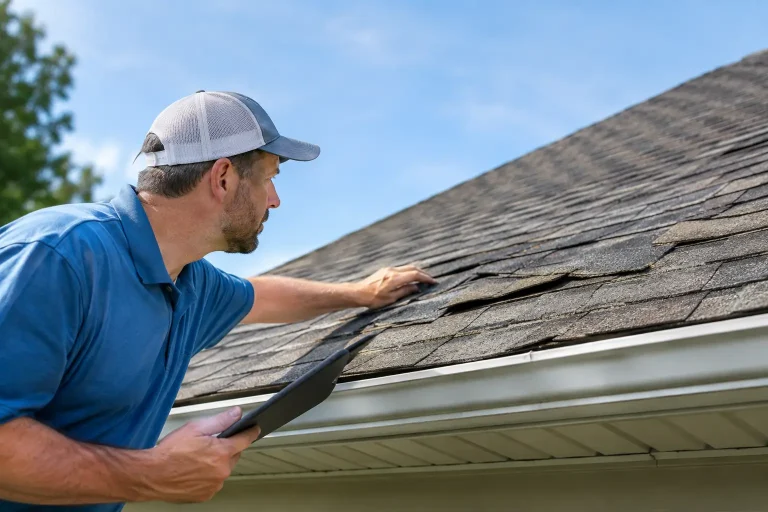
A useful repair review often explains the original symptom and the lasting result. For example, a customer may mention persistent water ingress around a chimney, damaged lead flashing or broken tiles after a storm. The best feedback will say that the contractor investigated, explained the cause, completed the repair and returned if needed.
Be cautious of reviews that focus only on a very fast visit without explaining what was repaired. Speed matters when a roof is exposed, but a dependable repair also needs a sound diagnosis. Water can travel along timbers and membranes before it appears inside, so the visible stain is not always directly below the fault.
Roof replacements and major works
For larger projects, look for evidence of planning and control. Did the customer receive a clear scope? Was scaffolding arranged safely? Were materials, waste removal and weather delays managed sensibly? Did the team protect the property and leave the site orderly?
A full roof replacement can involve stripping existing coverings, checking timbers, renewing underlay and battens, fitting new tiles or slates, and addressing leadwork, ventilation and rainwater goods. Reviews that mention these practical stages suggest the customer understood what was being delivered. They are more helpful than a short comment saying only that the roof looks good.
Roofing within wider building projects
Roofing work is frequently part of something larger. An extension, loft conversion or renovation may require structural alterations, insulation, electrical work, plastering and external finishes alongside the roof itself. In these situations, reviews should show whether the contractor coordinated trades and kept responsibility clear.
This is where a single managed team can make a substantial difference. Homeowners should not have to chase separate roofers, electricians, plumbers and finishing trades to establish who is responsible for a delay or detail. IR Building & Construction manages connected building work through a defined scope and coordinated delivery, helping clients keep complex projects understandable.
Signs that a review is worth trusting
Detailed reviews tend to be more valuable because they include information that is difficult to invent casually. They may refer to the property type, the roof issue, the stages of the job, the team’s conduct and what happened after completion. They do not need to be long, but they should sound specific.
Check the spread of review dates as well. Consistent feedback over time is generally more useful than a cluster of reviews posted within a very short period. It can indicate that the business has an established approach to customer service rather than relying on one-off jobs.
Photographs can add context, particularly when they show work in progress as well as the completed finish. A before-and-after image of a chimney repair, tiled roof or flat roof renewal may help you understand the type of project completed. Still, photographs alone cannot confirm the quality of hidden details, which is why written comments on workmanship and communication remain important.
It is also reasonable to read how a business responds to less positive feedback. No contractor can prevent every complication, especially where old properties conceal rot, poor previous repairs or inadequate roof structure. What matters is whether concerns were addressed professionally, with a practical explanation and a clear route to resolution.
Red flags to keep in proportion
A perfect score is not automatically proof of the best service, and one unhappy review is not automatic proof of poor workmanship. Read the circumstances. A disagreement about price may carry less weight if the review does not acknowledge additional work that was identified and agreed on site. Equally, a contractor should not use unforeseen conditions as an excuse for vague costs or poor communication.
Pay closer attention where multiple reviews raise the same concern: missed appointments, unclear quotations, unfinished details, poor site cleanliness or difficulty getting a response after payment. Repetition is what turns an isolated complaint into a decision-making warning.
Short, generic reviews are not necessarily false, but they provide little help with a major investment. If you are spending thousands on a roof replacement or structural repair, you need more than reassurance that somebody was ‘great’. You need confidence that the work will be properly assessed, scoped and managed.
Use reviews alongside a proper site assessment
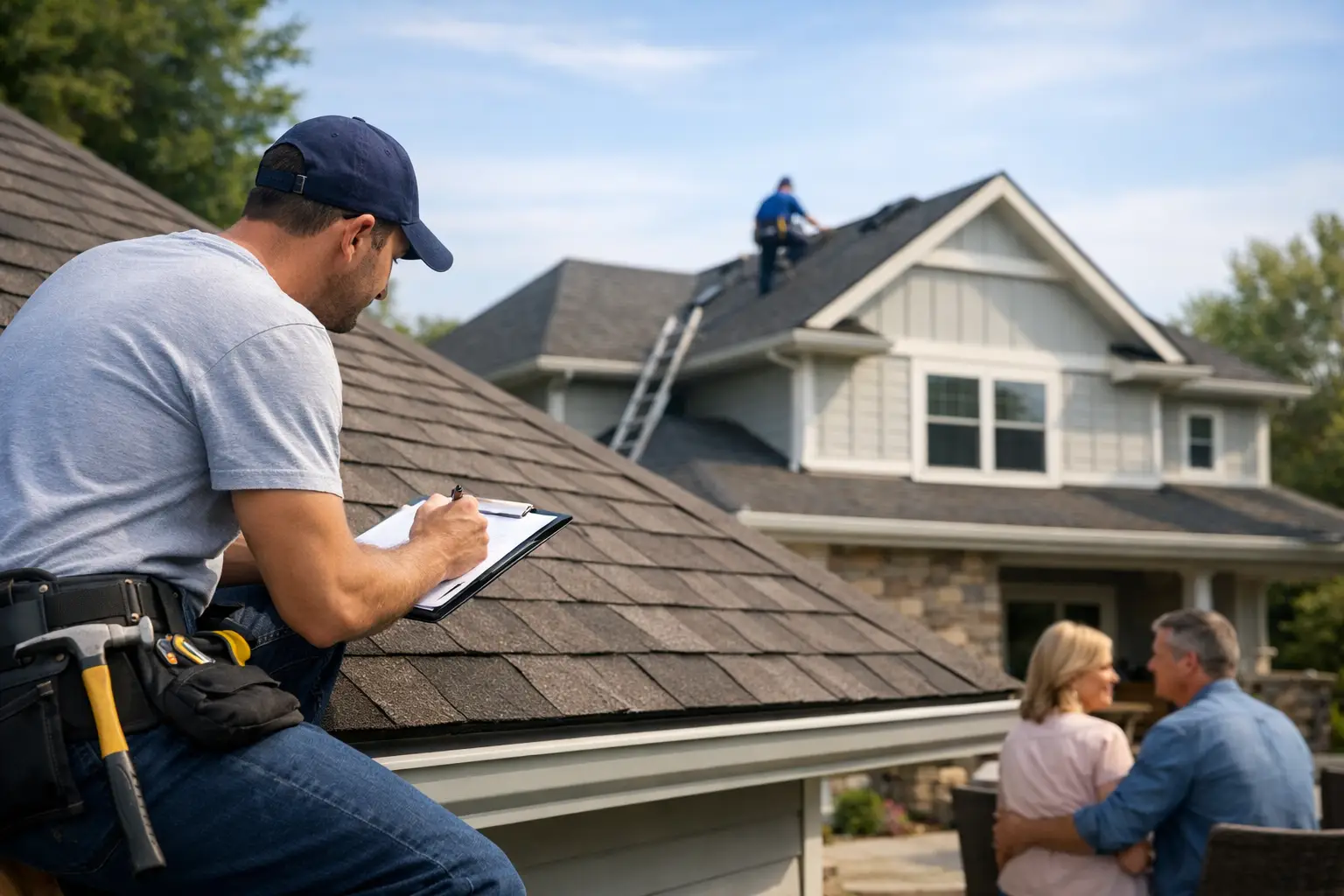
Reviews should earn a contractor a conversation, not replace the assessment. A roof needs to be seen before a meaningful quotation can be prepared. The contractor should inspect accessible areas, discuss the symptoms or your plans, consider the age and condition of the roof, and explain any limitations before recommending a solution.
Ask what is included in the quotation and what could change the cost. For instance, damaged timbers may only be visible once coverings are removed. That does not mean pricing must be uncertain. A clear contractor will explain likely contingencies, identify what is included in the original scope and agree any necessary variation before proceeding.
It is sensible to establish who will manage the job day to day, how you will receive updates, how waste will be removed and what happens if poor weather interrupts the programme. These are practical questions, not awkward ones. Good contractors expect them because they are part of running a controlled site.
For homeowners, a roof is protection for everything beneath it. The right review will help you find a contractor worth speaking to, but the confidence to proceed should come from the full picture: relevant experience, a considered site visit, a transparent quotation and a team that communicates clearly from the outset. When those pieces are in place, arranging essential roof work becomes a manageable property decision rather than a leap of faith.