A roof replacement is not simply a choice between colours or tile profiles. The best roof materials UK homes can use must suit the building’s structure, roof pitch, local weather exposure and the character of the street. Get those decisions right at the start and you protect the property, avoid unnecessary maintenance and achieve a finish that looks properly considered.
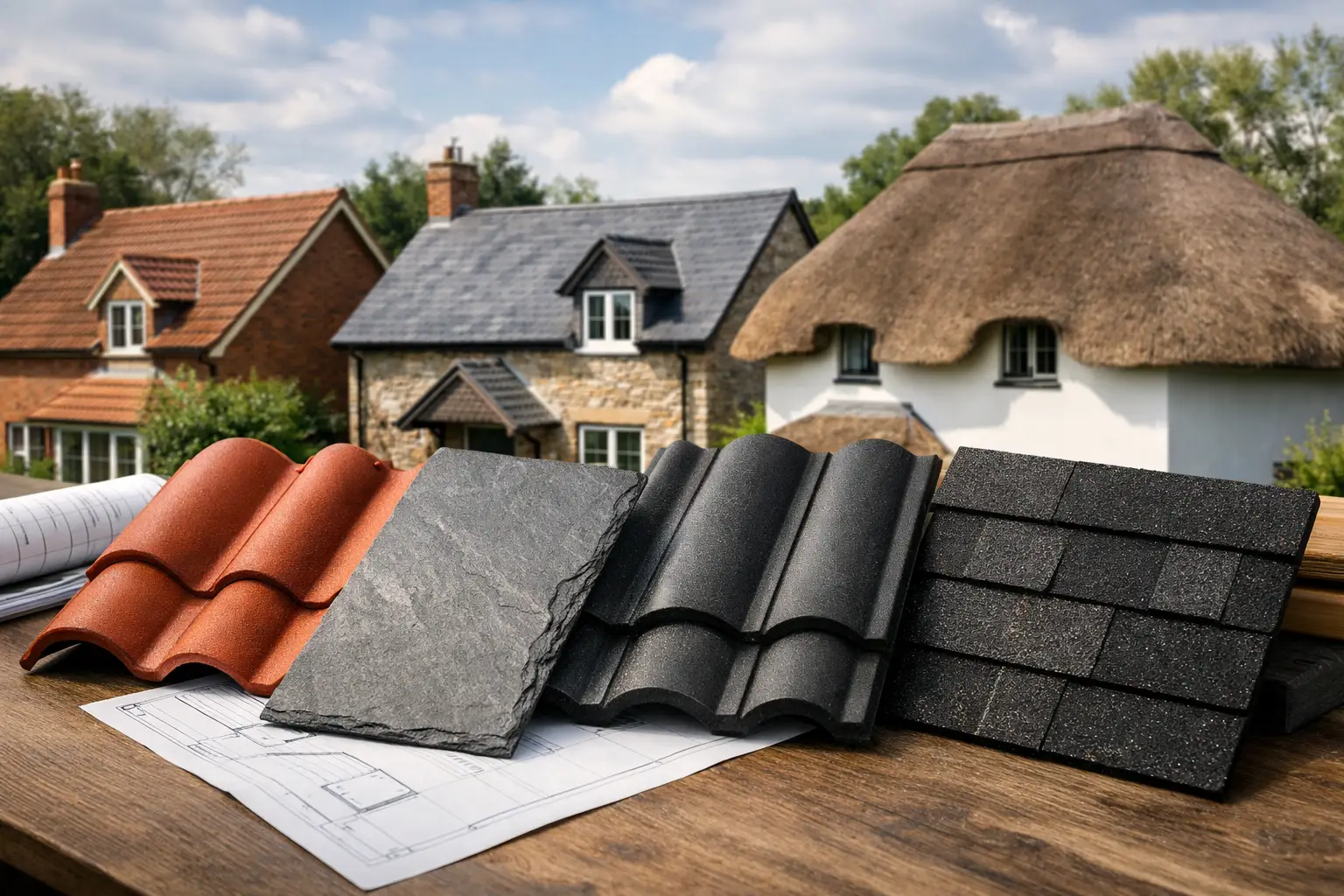
For homeowners in Coventry, Warwickshire and the wider West Midlands, concrete tiles, clay tiles and slate remain the most common choices for pitched roofs. Flat roofs need a different approach, with modern single-ply membranes, fibreglass and felt systems all offering distinct benefits. The right answer depends on the property, not a one-size-fits-all rule.
Start with the roof, not the material
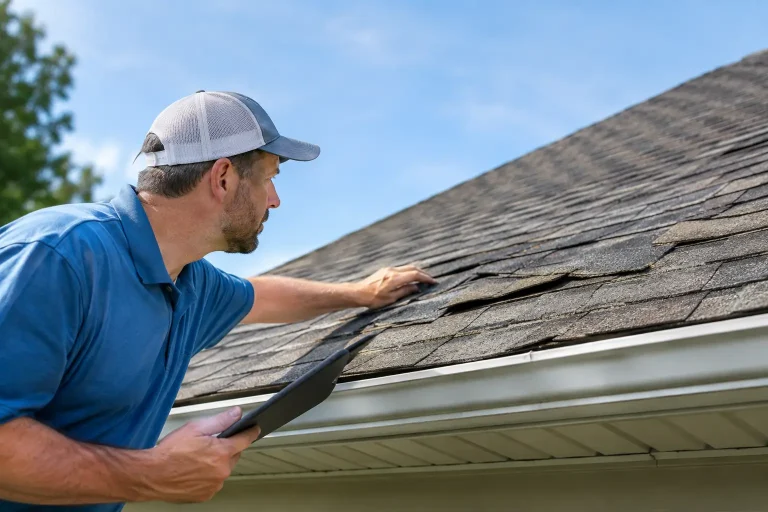
Before choosing a covering, assess the existing roof structure. Rafters, battens, underlay, flashings, gutters and drainage all affect how a new roof will perform. A heavier material may require structural consideration, particularly on an older property or where a loft conversion has altered the roof layout.
Roof pitch matters too. Some materials are designed for steeper slopes, while others are approved for lower pitches only when installed to a specific system. Using a covering below its recommended pitch can allow wind-driven rain to get beneath it, even if the tiles themselves are in good condition.
The surrounding property should also guide the decision. In a conservation area, on a listed building, or within a terrace where neighbouring homes have a consistent appearance, planning restrictions or local expectations may limit the material and colour that can be used. A site assessment gives you a clear view before work is priced and scheduled.
Best roof materials for UK homes: pitched roofs
Natural slate
Natural slate is one of the longest-lasting roofing materials available. A well-installed slate roof can remain in service for a century or more, and it suits period houses, traditional terraces and higher-value properties particularly well. Its natural variation gives the roof depth and character that manufactured alternatives cannot fully replicate.
The trade-off is cost and weight. Slate is more expensive to buy and fit because each slate is handled individually, and the roof structure must be capable of carrying it. It also needs experienced installation, particularly around valleys, chimneys, dormers and abutments. For the right property, however, its lifespan and appearance can make it a strong long-term investment.
Fibre cement slate
Fibre cement slate provides a more affordable, lighter alternative to natural slate. It has a neat, consistent appearance and is often suitable where the look of slate is wanted without the cost or structural loading of stone. It can work well on extensions, new builds and roof replacements where budget needs to be balanced with a clean finish.
It will not develop the same natural texture as real slate, and its service life is generally shorter. However, a quality fibre cement system installed correctly can offer reliable weather protection for decades. It is a practical option where the project calls for a slate-style roof rather than a heritage material.
Clay tiles
Clay tiles have been used on British homes for generations. They are valued for their warm colour, traditional profile and ability to age attractively over time. Available in plain tiles and interlocking forms, clay can suit everything from Victorian properties to modern homes designed with a more classic exterior.
Good-quality clay tiles are durable and colour-stable, but they are usually more expensive than concrete. Plain clay tiles also require more individual pieces per square metre, which can increase labour and material costs. Their weight, roof pitch requirements and compatibility with the existing property all need checking before specification.
Concrete tiles
Concrete tiles are widely used across the West Midlands because they are durable, readily available and cost-effective. They come in many profiles, including interlocking designs that cover a larger area quickly, as well as flatter styles for a more contemporary look. For many standard house roofs, they offer a sensible balance of performance, appearance and budget.
Concrete is heavier than some alternatives and can weather over time, with surface colour gradually changing. Moss may also become more visible on shaded elevations, although this is a maintenance issue rather than a sign that the roof has failed. The key is to choose an appropriate profile and ensure the roof structure, fixings and ventilation are all specified correctly.
Metal roofing
Metal roofing has become more popular on contemporary extensions, garden rooms and certain new-build designs. Standing seam systems create a clean, modern finish and are relatively lightweight. They can be particularly useful where a low-profile appearance is wanted or where the roof has a more complex shape.
Metal is not always the natural choice for a traditional main roof in a residential street, and rainfall can sound louder without suitable insulation and roof build-up. Detailing is critical around penetrations and edges. It is best considered as part of a complete design rather than selected as a quick substitute for tiles.
Choosing a flat roof system
Flat roofs are common on extensions, garages, dormers and porches. Despite the name, they should have a slight fall so rainwater drains effectively. Ponding water, failed edges and poor flashing details are common causes of leaks, which is why the covering must be matched with correct insulation, drainage and workmanship.
EPDM rubber
EPDM is a durable rubber membrane with few seams on a typical domestic roof. It is flexible, resistant to weathering and often a good choice for straightforward flat roof areas. Its dark finish is usually unobtrusive from ground level, and it can provide a long service life when fitted over a properly prepared deck.
GRP fibreglass
GRP, often called fibreglass roofing, forms a hard, seamless surface. It is popular for flat roof extensions because it gives a tidy, durable finish and can be detailed around rooflights and upstands. The installation conditions matter: the deck must be dry and sound, and the system needs to be applied carefully to avoid future cracking or weak points.
High-performance felt
Modern felt roofing is very different from older basic felt systems. High-performance multi-layer systems can be dependable and cost-effective, especially on garages, smaller roofs and repairs. They are often installed with heat-applied methods, so safe working practices and proper detailing are essential.
For a large extension roof or a roof that will be highly visible, homeowners may prefer EPDM or GRP for their finish and lifespan. For some projects, a quality felt system remains the most proportionate choice. The roof’s size, access, budget and intended use should guide the specification.
Cost, lifespan and maintenance: make a balanced choice
The cheapest material at installation is not always the lowest-cost option over the life of the roof. Natural slate has a high initial cost but exceptional longevity. Concrete tiles are more affordable and dependable, though they may need more routine attention over time. Flat roofing systems vary significantly depending on the deck condition, insulation upgrades, edge details and rooflight requirements.
It is also worth separating the cost of the covering from the cost of a proper roof replacement. If battens, underlay, leadwork, fascias, soffits or gutters are reaching the end of their life, replacing tiles alone can be false economy. A clear quotation should explain what is included, what condition has been assumed and whether repairs to the structure may be needed once the roof is opened up.
Maintenance is usually straightforward: keep gutters clear, check for slipped or cracked tiles after severe weather, and address damaged flashings promptly. Avoid pressure-washing tiled roofs. It can remove protective surface finishes, disturb tiles and force water into areas that should remain dry.
Do not overlook insulation and ventilation
A new roof is an opportunity to improve thermal performance, especially during a loft conversion or major renovation. Insulation should be designed around the available roof space and the intended room below. Ventilation is equally important, as trapped moisture can lead to condensation, timber decay and mould.
This is where coordinated planning matters. The roofing work may need to connect with structural alterations, roof windows, electrical work or internal plastering. Treating each element separately often creates delays and unclear responsibility when details do not line up.
For a replacement roof, extension or loft conversion, IR Building & Construction can assess the existing structure and set out a practical scope before work begins. The most suitable roof material is the one that fits your property properly, performs in British weather and is installed as part of a complete, well-managed roof system.